From Concept to Reality in Custom Machine Building
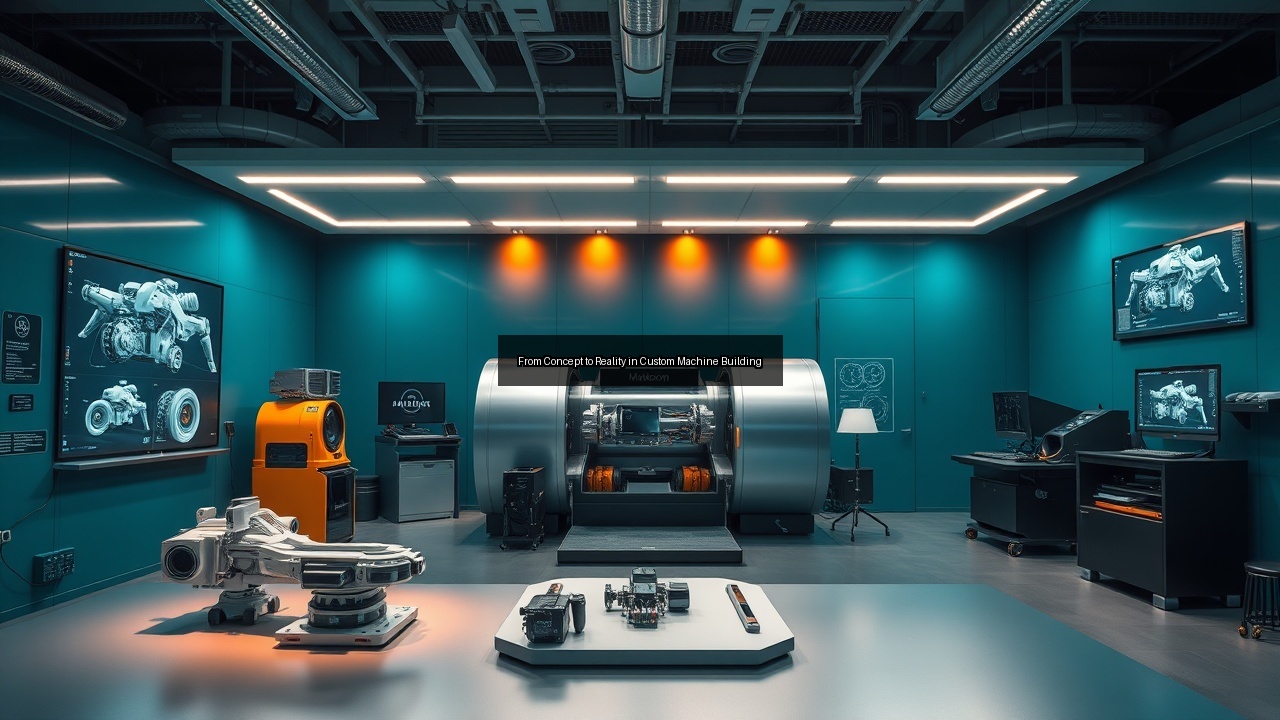
Understanding Custom Machine Design
The Importance of Customization in Machine Building
Customization drives innovation in machine building by tailoring solutions to specific industry needs. Companies seek custom machine design to solve unique challenges that off-the-shelf options cannot address. This approach boosts operational efficiency and cuts long-term costs. For instance, in manufacturing environments, a custom machine handles precise tasks like assembly or packaging, reducing waste and downtime. Businesses benefit from enhanced productivity when machines align perfectly with their workflows. Customization also fosters scalability, allowing firms to adapt as production demands grow. Engineers focus on reliability from the start, ensuring machines withstand rigorous use. In sectors like automotive or pharmaceuticals, custom designs incorporate specialized features such as robotic arms or conveyors, optimizing every process step. Ultimately, investing in custom machine design services elevates a company's competitive edge, delivering machines that perform exactly as required.
Key Components of Custom Machines
Custom machines rely on a blend of core components that ensure functionality and durability. Structural frames form the backbone, often built from high-strength alloys to support heavy loads. Motors and drives provide the power needed for operations, while sensors monitor performance in real time. Control systems, including PLCs, orchestrate automated sequences for seamless execution. In custom machine design, fixtures secure workpieces during processing, preventing errors and enhancing precision. Conveyors move materials efficiently across production lines, integrating smoothly with other elements. Pneumatic and hydraulic systems deliver force for tasks like clamping or lifting. Machine tools such as lathes and saws integrate into the build for on-site fabrication. These components, selected based on engineering requirements, guarantee reliability and efficiency. Designers prioritize modularity, so parts can upgrade without overhauling the entire system. This thoughtful assembly turns concepts into robust, high-performing machines tailored for specific applications.
Role of Mechanical Engineers in Custom Design
Mechanical engineers spearhead custom machine design, translating ideas into feasible blueprints. They analyze client specifications and apply principles of physics and materials science to create viable solutions. During the engineering phase, these experts simulate stresses and movements to predict performance. Their expertise ensures machines meet safety standards and regulatory demands. In machine design engineering, they collaborate with teams to integrate automation features, like robotic elements, for optimal workflow. Engineers also focus on optimization, refining designs to minimize energy use while maximizing output. They select appropriate tools, from tool and die setups to laser marking systems, for precise manufacturing. Reliability remains a priority; engineers test components rigorously to avoid failures in production. As projects evolve, they adapt designs for scalability, preparing machines for future expansions. Through iterative feedback, mechanical engineers deliver custom machines that not only function but excel, driving client success across industries.
The Design Process: From Concept to Prototype
Initial Consultation and Needs Assessment
Clients kick off the custom machine design journey with a detailed consultation. Engineers gather insights on operational goals, budget constraints, and existing infrastructure. This needs assessment uncovers pain points, such as bottlenecks in current production lines. Teams document requirements for throughput, accuracy, and integration with tools like conveyors or automated systems. Discussions highlight preferences for features, including pneumatic actuators or hydraulic presses. By mapping out workflows, engineers identify opportunities for efficiency gains. This phase sets the foundation for machine design services, ensuring alignment with business objectives. Clients receive clear proposals outlining timelines and deliverables. Thorough assessment prevents costly revisions later, fostering trust and collaboration. Ultimately, this step transforms vague ideas into a structured plan, paving the way for innovative custom machines that deliver real value.
Concept Development and Design Engineering
Concept development breathes life into initial ideas through creative engineering. Designers sketch preliminary layouts, exploring configurations that incorporate elements like robotic solutions and machine tools. Software tools model 3D renders, allowing visualization of custom machine components. Engineering teams iterate on designs, balancing functionality with manufacturability. They incorporate feedback to refine automation features, ensuring seamless integration. In this stage, optimization takes center stage—engineers calculate load capacities and energy flows to enhance efficiency. Custom design elements, such as bespoke fixtures or laser marking stations, emerge here. Collaboration across disciplines refines the blueprint, addressing potential reliability issues early. Prototyping plans form alongside, detailing materials and assembly methods. This rigorous process yields a solid concept ready for testing, turning abstract visions into tangible engineering achievements that boost productivity in machine building.
Creating Prototypes: Tools and Technologies
Prototyping brings custom machine designs into physical form using advanced tools and technologies. CNC machines and 3D printers fabricate initial parts with high precision, accelerating the build. Engineers assemble components like lathes, saws, and hydraulic systems to test interactions. Simulation software validates designs before full construction, saving time and resources. In custom machine design, prototypes incorporate automation elements, such as sensors and controls, for real-world trials. Laser marking tools add identifiers for tracking during tests. Teams conduct stress analyses and operational runs to verify reliability and efficiency. Adjustments follow, optimizing for scalability and user needs. This hands-on phase uncovers practical insights, refining the machine for production. By leveraging these technologies, engineers deliver prototypes that closely mirror final products, ensuring successful transitions to manufacturing.
Automation and Its Impact on Custom Machines

Integrating Robotic Solutions for Efficiency
Robotic solutions revolutionize custom machines by automating repetitive tasks with unmatched precision. Engineers integrate robotic arms into designs for handling, welding, or assembly, slashing cycle times. In machine design engineering, these systems sync with conveyors and sensors for fluid operations. Customization allows tailoring robots to specific payloads and speeds, enhancing overall efficiency. Automation reduces human error, boosting reliability in high-volume environments. Designers program paths using advanced software, optimizing energy use and minimizing downtime. For industries like electronics, robotic integration enables delicate manipulations impossible manually. This approach scales easily, adding units as production grows. Ultimately, incorporating robotics in custom machine design elevates productivity, transforming standard processes into streamlined, intelligent workflows that drive competitive advantages.
Automated Systems: Enhancing Productivity and Reliability
Automated systems form the core of modern custom machines, directly enhancing productivity and reliability. PLCs and vision systems orchestrate complex sequences, ensuring consistent output. In machine building, these setups monitor variables like speed and temperature, adjusting in real time. Customization tailors automation to unique needs, such as integrating with existing lines via conveyors. Engineers prioritize fault-tolerant designs, incorporating redundancies to maintain uptime. Productivity surges as machines run 24/7 with minimal intervention, cutting labor costs. Reliability improves through predictive maintenance alerts from embedded sensors. In custom design services, automation optimizes resource use, from materials to energy. Sectors like food processing benefit from hygienic, automated handling that upholds standards. This integration not only accelerates throughput but also builds resilient operations, making automated custom machines indispensable for forward-thinking manufacturers.
The Role of Pneumatic and Hydraulic Systems
Pneumatic and hydraulic systems power critical functions in custom machines, providing robust force and control. Pneumatics excel in quick, linear motions for tasks like gripping or sorting, using compressed air for clean operations. Hydraulics deliver high power density for heavy lifting or pressing, ideal for rugged applications. In custom machine design, engineers select systems based on speed, load, and environment—pneumatics for light-duty, hydraulics for intense pressures. Integration with automation ensures synchronized actions, boosting efficiency. Valves and actuators fine-tune performance, enhancing reliability under varying conditions. Maintenance features, like filters and seals, extend system life. These technologies enable compact designs that save space in production floors. For machine tool operations, they drive precision in saws and lathes. Overall, pneumatic and hydraulic systems elevate custom machines, delivering dependable power that supports seamless, high-output manufacturing.
Manufacturing and Building Custom Machines
Select Manufacturing Techniques: Tool and Die, Saws, and Lathes
Manufacturing custom machines demands precise techniques like tool and die, saws, and lathes to shape components accurately. Tool and die processes create molds and fixtures essential for repetitive production, ensuring parts fit seamlessly. Saws cut materials to exact specifications, handling metals and composites with speed. Lathes rotate workpieces for turning operations, producing cylindrical elements critical for machine assemblies. In custom machine design, these methods integrate with CNC controls for automation, minimizing errors. Engineers select techniques based on material properties and tolerances, optimizing for efficiency. Laser marking adds traceability during fabrication, aiding quality checks. These tools enable rapid prototyping to full-scale builds, supporting scalability. Skilled operators and robotic assistance enhance precision, reducing waste. By mastering these techniques, manufacturers deliver durable, high-performance custom machines that meet demanding industry standards.
Turnkey Solutions for Custom Machine Projects
Turnkey solutions streamline custom machine projects by handling everything from design to installation. Providers manage the entire lifecycle, delivering fully operational systems ready for immediate use. In machine design services, this approach includes engineering, fabrication, and testing under one roof. Clients specify needs, and teams incorporate automation, conveyors, and hydraulic elements as required. Turnkey projects ensure compatibility with existing setups, minimizing disruptions. Efficiency shines through standardized processes that accelerate timelines without sacrificing quality. Reliability testing occurs on-site, verifying performance before handover. Post-installation support covers training and maintenance, extending machine life. For growing operations, turnkey designs offer modularity for easy upgrades. This comprehensive model saves clients time and resources, fostering long-term partnerships in custom machine building.
Quality Control and Reliability in Machine Building
Quality control anchors reliability in machine building, enforcing standards at every stage. Inspections verify dimensions and alignments using calipers, CMMs, and laser scanners. In custom machine design, protocols test load capacities and cycle endurance to prevent failures. Automated checks integrate with production, flagging deviations instantly. Materials undergo certification to ensure durability under stress. Engineers document processes for traceability, aiding audits and improvements. Reliability metrics guide optimizations, like refining pneumatic seals or lathe tolerances. Final validations simulate real-world conditions, confirming efficiency and safety. This meticulous oversight reduces recalls and downtime, building client confidence. In competitive markets, superior quality control distinguishes top custom machines, delivering consistent performance that sustains productivity over years.
Future Trends in Custom Machine Design

Scalability and Adaptability in Modern Machinery
Scalability and adaptability define future custom machine designs, enabling machines to evolve with business needs. Modular architectures allow adding modules like extra conveyors or robotic stations without redesigns. In machine design engineering, engineers build in flexibility, using standardized interfaces for quick swaps. This approach supports growth, from small-batch to high-volume production. Adaptability incorporates AI for self-adjusting parameters, enhancing efficiency in dynamic environments. Custom designs now feature plug-and-play components, reducing upgrade costs. Scalability ensures machines handle increased loads via reinforced frames and optimized controls. Industries like logistics benefit from adaptable systems that reroute flows automatically. Engineers prioritize forward-thinking layouts, integrating sensors for predictive scaling. These trends make custom machines versatile assets, future-proofing investments in manufacturing.
Energy Efficiency in Machine Design
Energy efficiency shapes innovative machine designs, cutting costs and environmental impact. Engineers optimize motors and drives for variable speeds, reducing power draw during idle times. In custom machine design, regenerative systems recapture energy from braking or deceleration. Hydraulic and pneumatic setups incorporate low-friction components to minimize losses. LED lighting and efficient sensors further trim consumption in automated lines. Designs leverage software for real-time monitoring, adjusting operations to peak efficiency. Renewable integrations, like solar-assisted controls, emerge in sustainable builds. Reliability pairs with efficiency through durable, low-maintenance parts that avoid energy-wasting failures. Manufacturers gain from compliant designs meeting green regulations. This focus not only lowers operational expenses but also appeals to eco-conscious clients, positioning energy-efficient custom machines as industry leaders.
The Evolution of Custom Machine Design Services
Custom machine design services evolve rapidly, embracing digital tools and collaborative models. Cloud-based platforms enable global teams to co-develop designs in real time. AI assists in generating optimized layouts, speeding concept phases. In machine building, services now offer virtual commissioning, testing simulations before physical builds. Integration of IoT allows remote monitoring and updates, enhancing post-sale support. Engineers adopt sustainable practices, using recyclable materials and efficient processes. Customization deepens with data analytics, predicting client needs from industry trends. Turnkey offerings expand to include lifecycle management, from prototyping to decommissioning. This evolution democratizes access, empowering smaller firms with advanced capabilities. As services mature, they deliver smarter, more responsive custom machines, fueling innovation across sectors like automation and manufacturing.